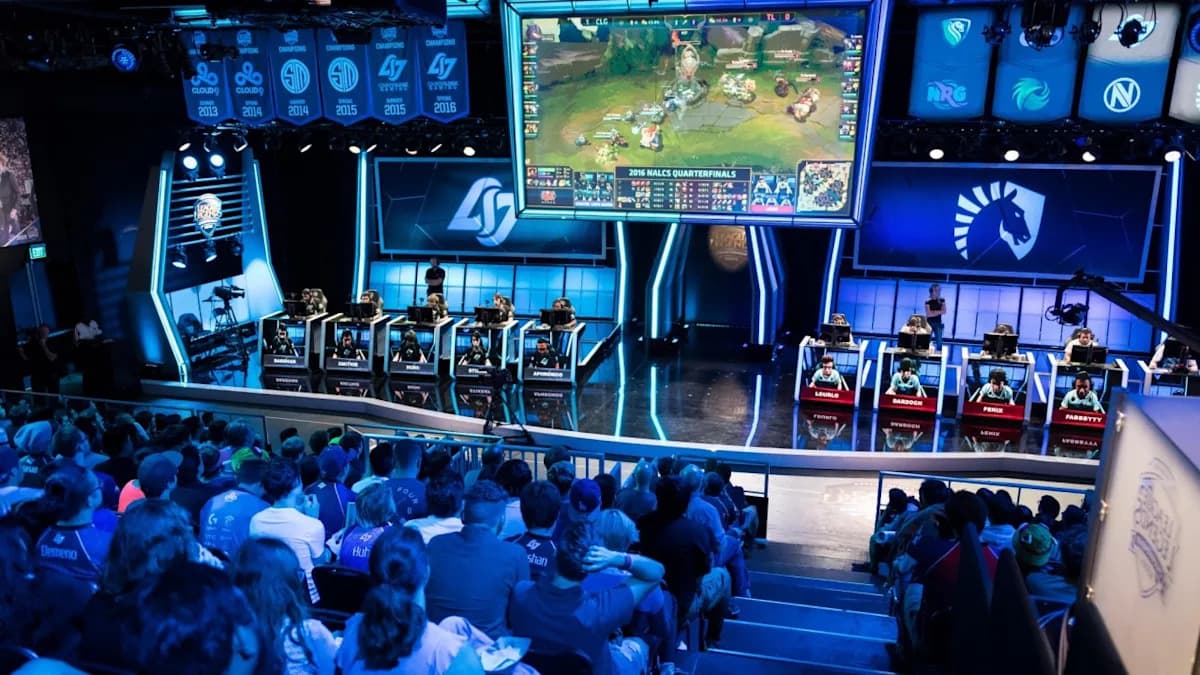
League of Legends esports is facing one of its most turbulent periods in recent memory. Riot Games is scrambling to address mounting criticism over inadequate player compensation, poorly timed patch updates, and growing doubts about the long-term health of the competitive scene. The release of Patch 6.15—widely panned for its lack of balance changes and ill-timed implementation—has only deepened the rift between developers, players, and fans. Now, Riot CEO Marc Merrill has stepped forward with a bold plan to restore faith in the ecosystem.
The Crisis: Low Pay, Patch Timing, and Sustainability Fears
For months, the League of Legends esports community has been voicing concerns that the competitive circuit is becoming unsustainable. Players—especially those outside the top-tier leagues—report earning salaries that barely cover living expenses, while teams struggle to secure reliable sponsorship deals. Meanwhile, the release cadence of patches has drawn ire: Patch 6.15 arrived without crucial balance adjustments, disrupting tournament preparation and frustrating both pros and viewers. This combination of financial strain and operational missteps has led to a crisis of confidence, with some questioning whether the esport can survive in its current form.
Riot’s Response: Revenue-Sharing and Official Jerseys
In a detailed statement posted on TwitLonger, Riot CEO Marc Merrill acknowledged the severity of the situation. He reaffirmed his commitment to the esports ecosystem alongside Reginald, founder of Team SoloMid (TSM), emphasizing that both leaders share a vision of a more stable and equitable competitive environment. Merrill announced two key initiatives for the upcoming season:
- In-game-specific revenue-sharing mechanisms for teams and professional players, allowing them to earn a direct cut from digital sales.
- Officially licensed jerseys that will generate profit-sharing opportunities for participating organizations.
These measures aim to diversify revenue streams beyond traditional sponsorships, which have proven unreliable. By tying compensation to in-game purchases and merchandise, Riot hopes to create a more predictable financial foundation for everyone involved.
Why This Matters for the Future of League Esports
This announcement could mark a turning point for League of Legends esports. Low player pay has been a persistent issue, driving talent away to other titles or even out of competitive gaming entirely. Patch timing controversies have eroded trust in Riot’s ability to support the competitive scene. By introducing revenue-sharing and official merchandise, Riot is addressing two of the most pressing pain points head-on. If successful, these initiatives could make the ecosystem more attractive to new players, retain existing talent, and reassure sponsors and fans that the esport has a viable future.
What’s Next? Community Reaction and Implementation Details
While the announcement has been met with cautious optimism, many are waiting to see the fine print. Questions remain about how revenue will be calculated, which teams qualify, and whether smaller organizations will benefit equally. Riot has not yet provided a timeline for when these changes will take effect, but Merrill’s statement suggests they will be rolled out during the next competitive season. The community will be watching closely to see if these promises translate into tangible improvements.
Source: This article is based on reporting from Yahoo Sports. For further details, read the original story at https://sports.yahoo.com/not-brief-timeline-current-league-000000257.html