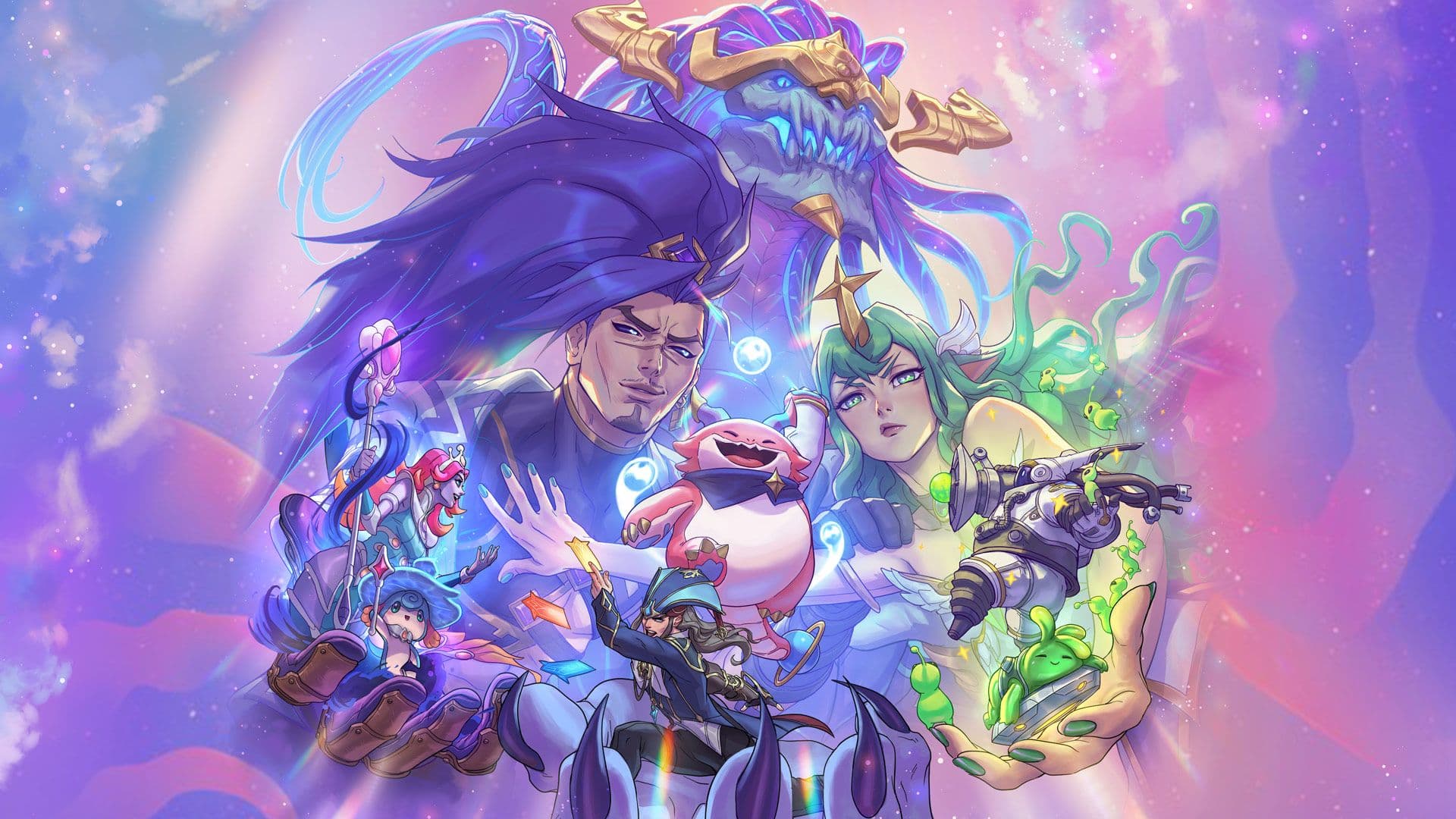
As we prepare to dive into the mystical Enchanted Wilds, it's time to look back at the Space Gods set—a cosmic adventure that brought both triumphs and tribulations. In a recent dev blog, Riot's TFT team shared their honest reflections on what they loved, what they learned, and what they're changing for the future. While Space Gods will remain playable for a while after Enchanted Wilds launches, the team is already applying these insights to upcoming sets. Let's break down the key takeaways from their deep dive.
The Realm of the Gods: Ambitious but Underwhelming
The Realm of the Gods was one of TFT's most ambitious mechanics since Magic n' Mayhem's Charms, but it didn't quite hit the mark. The team explored two versions—one that shipped and an even wilder concept that was cut due to time constraints. The original pitch was massive, aiming to overhaul everything from Augment distribution to item drops, but it posed too many balance and design challenges. Space Gods was developed on an accelerated timeline, originally slated as Set 18 but moved up to Set 17 to free up resources for the Unreal engine migration. This rush meant the final mechanic—Offerings and Boons—was safer and less exciting than intended, lacking the game-to-game variance players crave.
Offerings and Boons: Too Safe, Too Burdensome
The Offerings and Boons system was designed to create decision points, but it ended up being too conservative. Keeping power levels at no more than 8 gold limited creativity, and attaching God Offerings to item components added unnecessary mental load. While the team appreciated the playful art of the Gods, the mechanic strained mobile memory budgets, forcing compromises like reduced idle animations. As they move to Unreal, memory efficiency should improve, but the core issue remains: the mechanic didn't deliver the excitement they hoped for.
Carousel's Absence: A Social and Comeback Void
Removing the Carousel was a side effect of implementing the Realm of the Gods, not the goal. But its absence taught the team two crucial lessons: comeback mechanics need to be visible, and the Carousel is a vital social space. The Carousel's visual and active nature made it a powerful comeback tool, while the Realm of the Gods' static screen lacked tension and player interaction. The team confirmed that the Carousel is irreplaceable, and they're planning improvements to enhance player agency. Additionally, with the Unreal migration, the minimap is being deprecated, so they're reworking Pings to preserve social communication without it—though this won't be ready for Enchanted Wilds launch.
Roster Size and Flexibility: The Set 16 Hangover
Set 16's expanded roster and flexible traits set a high bar, and Space Gods struggled to match it with a standard roster size. The team flattened most traits to encourage horizontal play, but this hurt casual players who enjoy vertical compositions. The result was a set that felt less accessible. Riot acknowledges that they need to balance flexibility with player-friendly depth, and they're taking these lessons into future set designs.
- Realm of the Gods: ambitious but underdelivered due to rushed development
- Offerings and Boons: too safe and added decision burden
- Carousel removal: highlighted its importance for comeback and social interaction
- Roster size: Set 16's success made Space Gods feel less flexible and welcoming
As we look ahead, Riot is committed to applying these learnings to Enchanted Wilds and beyond. The Carousel will return with enhancements, and the team is working on better social tools. While Space Gods had its flaws, the insights gained are invaluable for the future of TFT.
Source: Riot Games, 'Dev TFT: SPACE GODS Reviewed' (https://teamfighttactics.leagueoflegends.com/en-us/news/dev/dev-tft-space-gods-reviewed)